

Over the past two decades, erectile dysfunction treatment has advanced significantly. Today, men have more effective treatment options than ever before. From oral medications and shockwave therapy to testosterone replacement, lifestyle interventions, and other specialized treatments.
But here’s what many men don’t realize: there isn’t a single “best” treatment for erectile dysfunction. The right approach depends on what’s causing your symptoms. Erectile dysfunction can result from reduced blood flow, hormone imbalances, underlying medical conditions, psychological factors, lifestyle habits, or a combination of these.
This guide compares today’s most common ED treatments, explaining how each one works, who may benefit most, and the advantages and limitations of each option.
ED Treatment AT-A-GLANCE
Compare Common ED Treatments
Use this quick comparison chart to understand how the most common erectile dysfunction treatments differ. Some options are designed for short-term symptom relief, while others may help address underlying factors such as blood flow, hormone levels, lifestyle habits, or performance anxiety. Each treatment has its own benefits, limitations, and ideal use cases, which we’ll explore in more detail below.
| Treatment | Best For | Symptom Relief | Addresses Cause | Invasive? | Duration |
|---|---|---|---|---|---|
| Oral Medication | Quick, temporary support | Yes | Limited | No | Temporary |
| Shockwave Therapy | Blood flow-related ED | Yes | Yes | No | Long-term |
| Testosterone Therapy | Clinically low testosterone | Sometimes | Yes, if hormone-related | No | Ongoing |
| Lifestyle Changes | Mild ED and overall health | Sometimes | Yes | No | Long-term |
| Counselling | Performance anxiety or stress | Sometimes | Yes, if psychological | No | Varies | Penile Implant | Severe ED when other options fail | Yes | No | Yes | Long-term |
THE SCIENCE BEHIND TREATMENT
What Helps Determine the Right ED Treatment?
An erection depends on several body systems working together. Healthy blood vessels deliver blood to the penis, nerves transmit signals from the brain, hormones such as testosterone influence sexual desire, and psychological factors like stress or anxiety can affect arousal. When one or more of these systems isn’t functioning properly, erectile dysfunction can occur.
This is why there is no universal treatment for ED. A medication may be effective for one man, while another may benefit more from improving cardiovascular health, treating low testosterone, addressing performance anxiety, or using a combination of therapies.
Before recommending treatment, physicians typically consider factors such as:
Underlying Cause
Blood flow, hormones, medications, psychological factors, or another medical condition.
Overall Health
Diabetes, heart health, weight, blood pressure, and other health factors.
Symptom Severity
How often ED happens and how much it affects confidence or quality of life.
Treatment Goals
Short-term symptom relief, longer-term improvement, or a combination of both.
Previous Treatments
What has already been tried, what worked well, and what didn't.
ED TREATMENT OPTION 01
Oral ED Medications (Viagra®, Cialis®, Levitra®)

Oral ED medications, including sildenafil (Viagra®), tadalafil (Cialis®), and vardenafil (Levitra®), are commonly prescribed first-line treatments for erectile dysfunction. These medications belong to a class of drugs known as phosphodiesterase type 5 (PDE5) inhibitors, which enhance the body's natural erectile response during sexual stimulation.
During sexual arousal, the body releases nitric oxide, which increases levels of cyclic guanosine monophosphate (cGMP). This chemical relaxes the smooth muscle within the penile arteries, allowing them to widen and increase blood flow into the erectile tissue. PDE5 inhibitors work by preventing the breakdown of cGMP, helping this natural process last longer and making it easier to achieve and maintain an erection.
These medications do not create an automatic erection or increase sexual desire. Sexual stimulation is still required, and their effectiveness depends on factors such as blood vessel health, nerve function, hormone levels, medication timing, food intake, alcohol consumption, and other underlying medical conditions. For many men, they provide reliable symptom relief, but they may not address the underlying cause of erectile dysfunction.
Good Choice If...
- You want an on-demand treatment for ED.
- You have mild to moderate erectile dysfunction.
- You are medically able to take PDE5 inhibitors.
- You are looking for a well-established first-line treatment.
May Not Be Ideal If...
- You take nitrate medications for heart disease.
- You have certain cardiovascular conditions.
- ED medication has not worked well in the past.
- You want to address the underlying cause rather than temporary symptom relief.
Physician Perspective
Oral ED medications can be very effective for symptom relief, but they are not a complete evaluation of why erectile dysfunction is happening. If medication works inconsistently, becomes less effective, or is not safe to take, it may point to underlying factors such as blood flow issues, hormone imbalance, medication side effects, stress, or other health conditions. The goal is to choose treatment based on the cause, not just the symptom.
Evidence Snapshot
PDE5 inhibitors remain one of the most effective first-line treatments for erectile dysfunction and have helped millions of men worldwide. However, they are not the right solution for everyone. If medication provides limited benefit, becomes less effective over time, or cannot be taken safely, it may indicate that additional evaluation is needed. Identifying the underlying cause of ED often opens the door to other treatment options that may be more appropriate for long-term management.
ED TREATMENT OPTION 02
Shockwave Therapy for Erectile Dysfunction
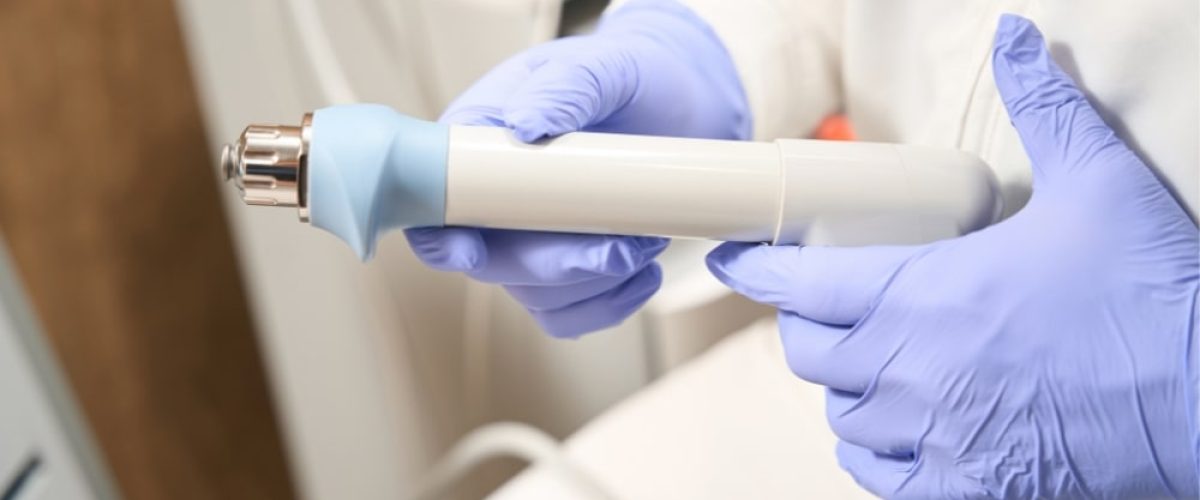
Shockwave therapy, also known as acoustic wave therapy, is a non-invasive treatment that aims to improve erectile function by addressing one of the most common physical causes of ED: reduced blood flow. Unlike oral medications, which provide temporary symptom relief, shockwave therapy is designed to stimulate the body’s natural healing response within the penile tissue.
The treatment uses low-intensity acoustic waves that create controlled micro-stimulation in the tissue. This process may support angiogenesis, which is the formation of new blood vessels, and may also improve existing blood vessel function. Over time, this can help increase blood flow to the penis and support firmer, more natural erections during sexual stimulation.
Because shockwave therapy works by supporting tissue repair rather than producing an immediate medication effect, improvements usually develop gradually over several weeks. Treatment is performed in clinic, requires no surgery or anesthesia, and most men can return to normal activities after each session.
Good Choice If...
- You have mild to moderate ED related to reduced blood flow.
- You prefer a drug-free, non-invasive treatment option.
- ED medications provide limited benefit or are not suitable for you.
- You are looking for a treatment that may support longer-term improvements.
May Not Be Ideal If...
- Your ED is primarily caused by untreated low testosterone.
- Your symptoms are mainly related to performance anxiety.
- You have severe nerve damage or advanced vascular disease.
- You are looking for immediate, same-day results.
Physician Perspective
Shockwave therapy is a promising option for men with vasculogenic erectile dysfunction, which is ED related to reduced blood flow. It may be most suitable for appropriately selected patients with mild to moderate symptoms. A proper medical assessment is important to determine whether blood flow is contributing to ED and whether shockwave therapy is likely to provide meaningful benefit.
Evidence Snapshot
Research shows that low-intensity extracorporeal shockwave therapy may improve erectile function in men with blood flow-related erectile dysfunction. In clinical studies, the treatment has shown promising results and appears to be well tolerated, making it a meaningful non-invasive option for appropriately selected men.
ED TREATMENT OPTION 03
Testosterone Replacement Therapy
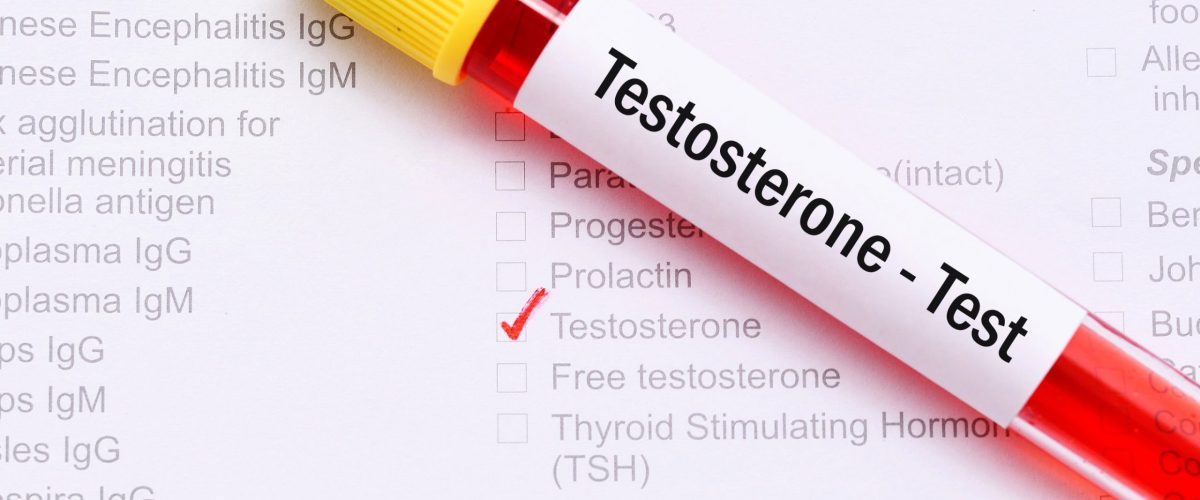
Testosterone replacement therapy, or TRT, is used to treat men with clinically confirmed testosterone deficiency, also known as hypogonadism. Testosterone plays an important role in sexual desire, energy, mood, muscle mass, and overall well-being, but it is not the only factor involved in erectile function.
Before TRT is considered, testosterone levels should be evaluated through blood testing and reviewed alongside symptoms, medical history, and overall health. Men experiencing low libido, fatigue, reduced motivation, mood changes, difficulty building muscle, and erectile dysfunction may benefit from hormone evaluation.
When testosterone deficiency is present, TRT may help improve sexual desire, energy, mood, and in some cases erectile function. However, if ED is mainly caused by reduced blood flow, diabetes, medication side effects, or psychological factors, TRT alone may not resolve the issue and other treatment options may be recommended.
Good Choice If...
- Blood tests confirm clinically low testosterone.
- You have low libido, fatigue, or reduced energy alongside ED.
- Your symptoms are related to testosterone deficiency.
- Your physician recommends TRT after a full assessment.
May Not Be Ideal If...
- Your testosterone levels are within the normal range.
- ED is mainly related to reduced blood flow.
- Your symptoms are caused by stress, anxiety, or relationship concerns.
- You want immediate improvement in erections.
Physician Perspective
Testosterone replacement therapy should only be considered when a true hormone deficiency has been identified. TRT can be highly helpful for appropriately selected patients, but it is not an anti-aging shortcut or a universal ED treatment. The key is determining whether testosterone deficiency is actually contributing to the symptoms.
Evidence Snapshot
Research shows that testosterone replacement therapy may improve libido and erectile function in men with clinically confirmed low testosterone. It may also support better results in some men who do not respond well to oral ED medications alone. Because TRT is only appropriate when testosterone deficiency is documented, blood testing and medical evaluation are essential before treatment, as discussed in this review of testosterone therapy and erectile function.
ED TREATMENT OPTION 04
Lifestyle Changes

Lifestyle changes can play an important role in erectile dysfunction treatment, especially when ED is linked to cardiovascular health, weight, smoking, alcohol use, stress, sleep, or metabolic conditions such as diabetes and high blood pressure. Because erections depend heavily on healthy blood flow, the same habits that support heart health often support erectile function as well.
Regular exercise, weight management, better sleep, improved nutrition, reduced alcohol intake, quitting smoking, and stress management can all help improve the conditions that contribute to ED. These changes may not provide an immediate effect like medication, but they can improve overall health and may make other ED treatments work better.
Lifestyle changes are often most effective when they are part of a broader treatment plan. For some men, lifestyle improvement may reduce symptoms. For others, it may be combined with medication, shockwave therapy, testosterone evaluation, or counselling depending on the underlying cause.
Good Choice If...
- Your ED may be related to weight, smoking, alcohol, poor sleep, or low activity levels.
- You have mild to moderate erectile dysfunction.
- You want to improve long-term health and sexual function.
- You have diabetes, high blood pressure, or cardiovascular risk factors.
May Not Be Ideal If...
- You are looking for immediate symptom relief.
- Your ED is severe or has been ongoing for a long time.
- Symptoms are caused by low testosterone, medication side effects, or advanced vascular disease.
- Lifestyle changes alone have not improved symptoms.
Physician Perspective
Lifestyle changes are one of the most important foundations of erectile dysfunction care because they address overall health, not just sexual performance. Improvements in exercise, sleep, weight, stress, and cardiovascular risk factors can support better blood flow and treatment response. However, persistent ED should still be medically evaluated because lifestyle changes alone may not be enough if there is an underlying hormonal, vascular, neurological, or psychological cause.
Evidence Snapshot
Research shows that lifestyle changes—including regular exercise, weight management, smoking cessation, and a healthy diet—can improve erectile function and overall vascular health. These changes may also enhance the effectiveness of other ED treatments.
ED TREATMENT OPTION 05
Counselling & Performance Anxiety Support

Not all erectile dysfunction is caused by poor blood flow or hormone imbalance. For many men, stress, anxiety, relationship concerns, depression, or previous negative sexual experiences can contribute to difficulty achieving or maintaining an erection. Even when ED begins with a physical cause, repeated episodes can lead to performance anxiety that makes the problem worse.
Counselling focuses on identifying and addressing the psychological factors that may be affecting sexual confidence and performance. Through evidence-based techniques, men can learn to reduce anxiety, improve communication, develop healthier coping strategies, and break the cycle of stress and erectile difficulties.
Counselling may be used on its own when ED is primarily psychological or alongside medical treatments such as oral medication, shockwave therapy, or testosterone replacement therapy when both physical and psychological factors are involved.
Good Choice If...
- You experience performance anxiety before or during sex.
- ED mainly occurs in certain situations or with a partner.
- Stress, anxiety, depression, or relationship concerns may be contributing to symptoms.
- Your physician recommends counselling as part of your treatment plan.
May Not Be Ideal If...
- ED is primarily caused by significant vascular disease or severe hormone deficiency.
- You are looking for immediate symptom relief.
- An underlying medical condition has not yet been evaluated.
- Psychological factors are unlikely to be contributing to your symptoms.
Physician Perspective
Psychological factors play an important role in sexual health and should never be overlooked. Even when erectile dysfunction has a physical cause, repeated episodes can create anxiety that makes symptoms more persistent. Addressing both the physical and emotional aspects of ED often leads to better long-term outcomes than treating only one factor.
Evidence Snapshot
Research suggests that psychological interventions, including counselling and cognitive behavioural therapy (CBT), can improve erectile function, reduce performance anxiety, and enhance sexual satisfaction. Studies also indicate that combining counselling with oral ED medication may provide better outcomes for some men than medication alone, as discussed in this systematic review of psychological interventions for erectile dysfunction.
ED TREATMENT OPTION 06
Penile Implants

Penile implants are a surgical treatment option for men with severe erectile dysfunction, especially when other treatments such as oral medications, shockwave therapy, lifestyle changes, or injections have not provided adequate results. Unlike temporary treatments, a penile implant is designed to create a reliable erection mechanically.
This treatment involves surgically placing a device inside the penis. The most common type is an inflatable implant, which allows a man to create an erection when desired and return the penis to a flaccid state afterward. Because it is a surgical and generally irreversible treatment, penile implants are usually considered only after less invasive options have been explored.
Penile implants can provide high satisfaction for carefully selected patients, but they also involve surgical risks, recovery time, cost considerations, and permanent changes to penile tissue. A specialist evaluation is required to determine whether this option is appropriate.
Good Choice If...
- You have severe ED that has not responded to other treatments.
- Oral medications or other therapies are not effective or suitable.
- You want a reliable long-term solution.
- You have been evaluated by a specialist and understand the surgical risks.
May Not Be Ideal If...
- You have not yet tried less invasive treatment options.
- Your ED may improve with medical, hormonal, lifestyle, or psychological treatment.
- You are not comfortable with surgery or recovery time.
- You are looking for a reversible treatment option.
Physician Perspective
Penile implants are typically reserved for men with severe or treatment-resistant erectile dysfunction after less invasive options have been explored. Fortunately, most men never reach this stage. Many achieve meaningful improvement with oral medication, shockwave therapy, lifestyle changes, hormone treatment when appropriate, or a combination of these approaches. The goal is always to begin with the least invasive treatment that is most likely to address the underlying cause, while keeping more advanced options available if needed.
Evidence Snapshot
p Penile implants are a well-established treatment for men with severe or treatment-resistant erectile dysfunction and have consistently demonstrated high patient satisfaction and long-term reliability. They are typically recommended after less invasive treatments have not been successful, as discussed in this review of penile prostheses for erectile dysfunction.
TREATMENT GUIDED
Which ED Treatment May Be Right for You?
If your ED is mainly related to
Reduced Blood Flow
Reduced blood flow is one of the most common physical causes of erectile dysfunction, particularly in men with diabetes, high blood pressure, high cholesterol, or cardiovascular disease. Depending on your evaluation, treatment may focus on improving blood flow, managing underlying health conditions, or both.
If testing shows
Low Testosterone
When blood tests confirm testosterone deficiency, hormone replacement may help improve libido, energy, mood, and, in some men, erectile function. Because low testosterone is only one possible cause of ED, treatment is recommended only after proper evaluation.
If stress or anxiety plays a role
Performance Anxiety
Performance anxiety, relationship concerns, and ongoing stress can interfere with sexual confidence and contribute to erectile dysfunction. For many men, combining counselling with appropriate medical treatment provides better long-term outcomes than treating only the physical symptoms.
If overall health may be contributing
Lifestyle & Health Factors
Conditions such as obesity, diabetes, smoking, poor sleep, and cardiovascular disease can all affect erectile function. Improving these factors may enhance blood flow, support overall health, and improve the effectiveness of other ED treatments.
If multiple factors are contributing
Multiple Causes
Many men do not have just one cause of erectile dysfunction. Blood flow, hormone levels, medications, stress, and lifestyle can all play a role. In these situations, combining treatments often provides better results than relying on a single therapy alone.
If other treatments have not worked
Severe or Treatment-Resistant ED
For men with severe or treatment-resistant erectile dysfunction, penile implants may provide a reliable long-term solution. Because this is a surgical and generally irreversible treatment, it is usually considered only after less invasive options have been explored.
Frequently Asked Questions
ED Treatment Comparision FAQs
The most effective treatment depends on the underlying cause of erectile dysfunction. Some men benefit from oral medications, while others may need shockwave therapy, testosterone replacement therapy, lifestyle changes, counselling, or a combination of treatments.
Viagra® provides temporary symptom relief, while shockwave therapy help support blood flow over time. For men with mild to moderate blood flow-related ED, shockwave therapy may offer longer-term potential.
Lifestyle changes may improve ED when symptoms are linked to weight, smoking, poor sleep, stress, diabetes, high blood pressure, or cardiovascular health. They may not resolve every case, but they often improve overall health and treatment response.
No. Testosterone replacement therapy is only appropriate when blood testing confirms low testosterone and symptoms suggest hormone deficiency. Many cases of ED are related to blood flow, medications, stress, or other health factors.
Oral medications work temporarily for hours. Shockwave therapy, lifestyle changes, counselling, and TRT may support longer-term improvement when they address the underlying cause. Penile implants are a long-term surgical option for severe treatment-resistant ED.
Yes. Many men benefit from a combination of treatments, such as medication with lifestyle changes, shockwave therapy, TRT, or counselling. Combination treatment depends on the underlying cause and medical assessment.
Doctors consider symptoms, medical history, medications, lifestyle, testosterone levels, cardiovascular health, and psychological factors. The goal is to identify why ED is happening and recommend the most appropriate treatment plan.
You should consider seeing a men’s health doctor if ED is persistent, becoming more frequent, affecting confidence or relationships, or happening alongside low libido, fatigue, diabetes, high blood pressure, or cardiovascular concerns.
READY TO TAKE THE NEXT STEP?
Find the ED Treatment That Fits Your Situation
The right erectile dysfunction treatment starts with understanding the cause. Book a confidential consultation with Ottawa Men’s Health Clinic to discuss your symptoms, health history, and treatment options.
Book a Consultation
Dr. Derek McLellan is a family physician with six years of focused experience in men’s health. He is a recognized provider of medical care in the evaluation and treatment of male sexual health and hormone-related conditions in Ottawa.
His clinical practice includes the assessment and management of erectile dysfunction, testosterone deficiency, and other men’s health concerns. With a background in family medicine, Dr. McLellan approaches patient care through comprehensive evaluation, evidence-based treatment planning, and ongoing clinical monitoring.